
There’s nothing quite like the feeling of falling in love. Ancient poets and pop singers alike sing about how intense it can be — both wonderful and overwhelming — to look into another person’s eyes and want to form a meaningful relationship with them. People entering their first gay relationship can experience all those emotions, along with a more complicated set of feelings.
You may find yourself dealing with complex, conflicting emotions. You might be excited to explore a new connection, nervous about what to expect, or unsure how to navigate certain conversations. Even if you've dated before, entering a gay or queer relationship can introduce new questions about identity, intimacy, and what you want your relationship to look like.
There's no single right way to experience your first gay relationship. You don't need to have your identity completely figured out, know everything about LGBTQ+ culture, or follow anyone else's timeline. Like any relationship, a healthy queer relationship grows through communication, mutual respect, and a willingness to learn about each other.
If you're entering your first gay relationship, these tips can help you navigate the experience while staying connected to your own needs and values.
1. Give Yourself Permission to Learn as You Go
When so many love stories seem to end with “and they lived happily ever after,” it’s easy to feel like relationships should be easy to navigate. But fairy tales rarely show what happens when trauma, low self-esteem, or even an unwillingness to do the dishes comes into play.
Even if you've been in other relationships, that experience doesn't automatically prepare you for every new situation, especially one as profound as dating someone of the same gender or someone whose gender identity or expression is unfamiliar to you. Many people in the LGBTQIA2+ community grew up without seeing healthy queer relationships modeled in popular culture or knowing many queer couples in real life.
Try to approach this experience with curiosity rather than pressure. Give yourself and your partner room to ask questions and discuss what your relationship means to you. Don't worry about figuring everything out at once, and don't feel the need to prove that you're gay enough, experienced enough, or confident enough to belong in a queer relationship.
Connecting with the LGBTQIA2+ community through friendships, volunteering, activism, community events, or online spaces can also help you find positive role models and people who understand your experiences. You don't have to participate in any particular community or social scene to build a healthy relationship, though. Find the connections that feel comfortable and meaningful to you.
2. Talk Openly About What You Want
When you and your partner feel strongly connected, it’s easy to assume you're on the same page about everything, including what you want your relationship to look like. Without a deeper conversation about your hopes and expectations, though, you could be setting yourself up for frustration and heartbreak.
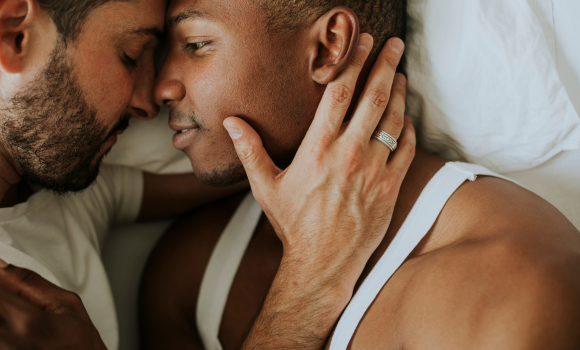
Talk about what you're both looking for. Are you interested in a committed relationship, something more casual, or are you still figuring that out? As your relationship develops, have candid conversations about what affection, intimacy, and commitment mean to each of you. For example, you might have different expectations about exclusivity or whether ethical non-monogamy could work for you. You could differ in how often you communicate, or when you're comfortable introducing each other to friends and family.
It's also important to communicate about physical intimacy. You might feel unsure about initiating affection, expressing your preferences, or telling your partner about certain interests, like kink. Take your time, ask questions, and remember that consent and boundaries matter regardless of how much relationship experience either of you has.
Keep checking in about how you're feeling and whether your needs are being met. It's okay if you don't have every answer yet. Being honest about uncertainty is more helpful than agreeing to something because you're afraid of disappointing your partner.
3. Set Boundaries Around Coming Out and Privacy
Though coming out is often portrayed as a “one and done” endeavor, many gay and queer people come out to new people and in different situations throughout their lives. One challenge you might encounter in your first gay relationship is navigating different levels of openness about your identity.
You may be out to your friends but not your family. Your partner might be uncomfortable being affectionate in public, while you feel like they're hiding your relationship. These differences can affect how you spend time together and introduce each other to the people in your lives.
Talk about what you're both comfortable sharing and where you need more privacy. Coming out is a personal decision, and nobody should feel pressured to disclose their identity before they're ready. At the same time, if one of you feels hidden or excluded from important parts of the other's life, that deserves an honest conversation.
You may not resolve every difference immediately. The goal is to understand each other's concerns and find an approach that respects both people's needs, safety, and boundaries.
4. Recognize That You May Have Different Experiences
Your partner might have been out for years, while you're just beginning to explore your identity. Perhaps you're both new to queer relationships, but you might still worry that one person has to be “the expert” or guide the other through their queer identity. That's simply not true.
Each of you brings unique life experiences to your relationship. Embracing a queer identity isn't a race, and you're not falling behind if your partner has been out longer. You can ask questions and learn from each other without feeling out of breath trying to catch up.
You can share an identity without sharing the same history, beliefs, or comfort level. Make space for those differences instead of expecting your partner to fit a particular idea of what being gay means.
5. Be Kind to Yourself If You're Coming Out Later in Life
Queer stories about coming out and starting first relationships often focus on people in their teens and twenties. But people can better understand themselves and embrace new identities in their thirties, forties, fifties, and beyond — even after years of heterosexual dating or marriage.

If that's your experience, you may be feeling more than the happy butterflies that come with a new relationship. You might be relieved to explore a connection that feels more authentic to you, while also grieving the time you spent not understanding or expressing this part of yourself.
You may question how your identity fits with your past or whether your previous relationships “counted” in your personal development. Having been in heterosexual relationships doesn't automatically mean you knew you were gay all along or were deliberately hiding your identity.
You might also have concerns about how a new relationship could affect your children, family, friendships, or other important parts of your life. At the same time, you’re balancing these changes alongside established responsibilities, long-standing relationships, and expectations you've held for years. That's a lot to navigate, even without the added, if welcome, challenge of getting to know a new partner.
Remember that you aren't starting from scratch. Your previous relationships may have taught you a great deal about communication, boundaries, conflict, and what you need from a partner. You can carry those lessons forward while making room for new experiences.
You also don't owe anyone an explanation for your timeline. Some people understand their sexuality early in life, while others come to a different understanding of themselves over time.
When Support Can Help
Love may be a many-splendored thing, but starting a new relationship can bring up old patterns, fears about rejection, questions about identity, or uncertainty about how to communicate your needs. Within your first gay relationship, these feelings can sometimes feel even more intense.
An LGBTQIA2+-affirming therapist can offer a supportive space to explore your experiences, work through relationship concerns, and develop tools for building healthier connections. Therapy doesn't mean something is wrong with you or your relationship. It can simply help you better understand yourself and what you want. At Caretta Queer Counseling, you can explore these questions in an affirming environment where you don't have to explain or defend who you are.
Contact us today for a free 20 minute consultation today.