
Exploring Spring Traditions: Easter, Ostara, Passover and More

James Kuhn, MA, LMHC
A few thoughts from James -
Spring brings a beautiful sense of renewal. Have you noticed the gentle shift in the air lately? As the days grow longer, many cultures and faiths celebrate special times. For me, this season feels very personal. I grew up Christian, celebrating Easter with my family, but as I got older, I began exploring other paths. Today, I’m a practicing Pagan who celebrates Ostara and Beltane. Finding and honoring these traditions is important for me, doing so finally felt like "home."
Taking a brief exploration of Easter, Ostara, Passover and other spring time holidays and the importance of honoring or exploring different traditions can be a wonderful way to connect with others. Sometimes, busy holiday seasons can feel overwhelming. If you process the world differently, the sudden shift in routines or sensory input might feel stressful. Whether you’re finding your own "home" in a new faith or sticking with the traditions of your childhood, understanding these spring celebrations matters.
Key Takeaways:
Spring holidays share common themes of renewal, growth, and community connection.
Learning about different traditions builds warmth and understanding in our lives.
Personal boundaries and sensory tools make celebrating more accessible for everyone.
What Is the Meaning Behind Spring Traditions?
Spring is a season of profound change. Across the world, people mark this shift with festivals, meals, and holy days. A brief exploration of Easter, Ostara, Passover and other spring time holidays means looking closely at how humans celebrate life. We all share a basic need to belong and to make sense of time passing.
In my work, I often see "renewal" happen in real-time. To me, it’s that moment when a client first sees themselves healing and growing. It’s like seeing the first flower open up and take in the sun after a long, cold winter. Embracing different traditions helps us celebrate those moments of growth in ourselves and others.
Why Honoring Different Holidays Matters
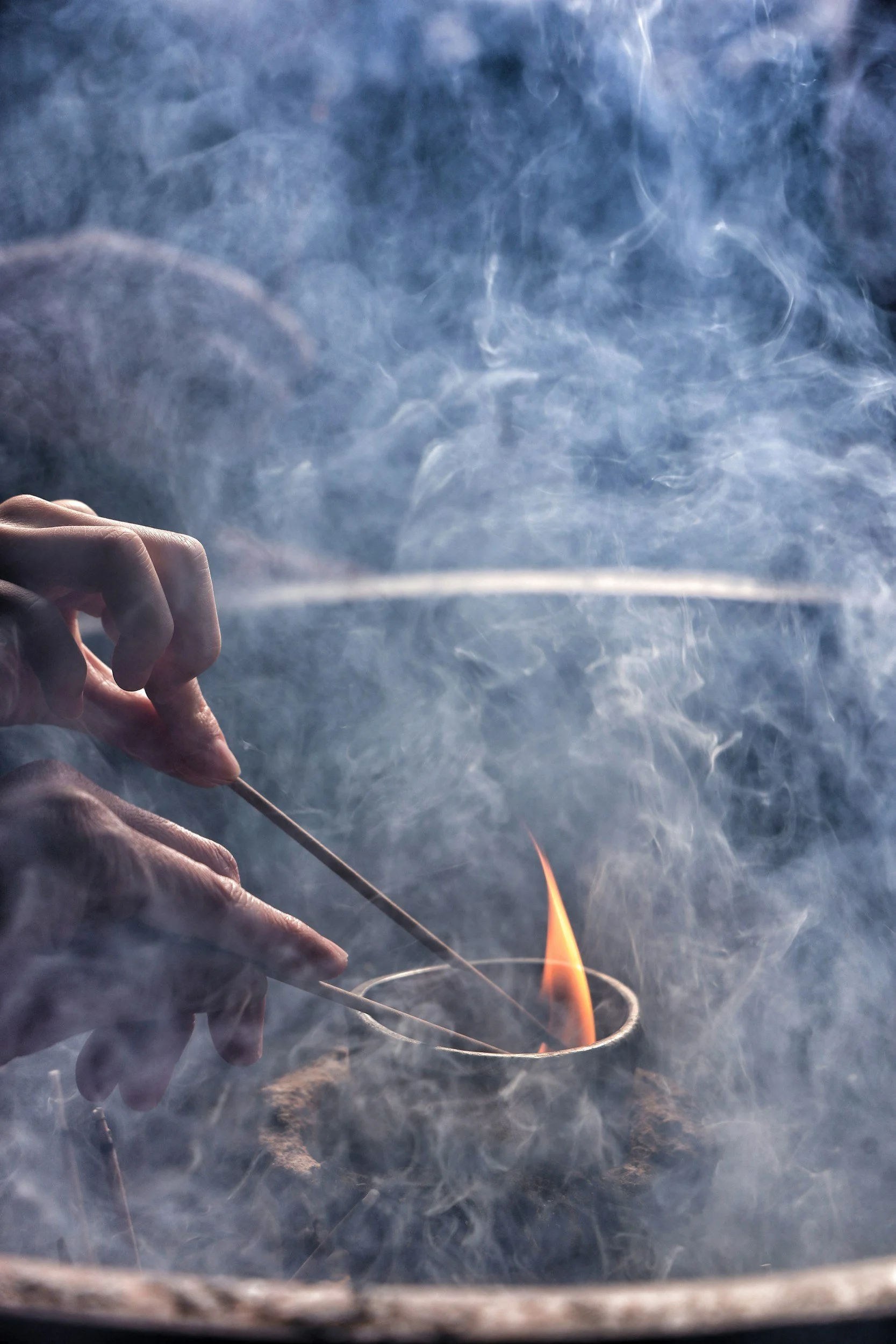
Learning about different holidays does a lot more than just teach us history. It deeply connects us to the people around us. When we see someone else’s joy, it can spark our own.
Here is a very brief look at some beautiful spring celebrations:
Easter: A Christian holiday celebrating the resurrection of Jesus Christ and the promise of new life. Practices: Attending church services, painting eggs, and sharing a festive meal.
Passover: A Jewish festival honoring the liberation of the Israelites from slavery. Practices: Hosting a Seder meal, eating matzah, and retelling the story of freedom.
Ostara: A Pagan festival honoring the spring equinox and the waking earth. Practices: Planting seeds, going on nature walks, and decorating with spring flowers.
Holi: A Hindu festival of colors celebrating the victory of good over evil. Practices: Throwing colorful powders and sharing sweet treats with friends.
Beltane: A Celtic fire festival celebrating the peak of spring. Practices: Lighting bonfires, weaving ribbons around a Maypole, and wearing flower crowns.
How To Support Someone (And Yourself) During the Holidays
It’s wonderful to support the people in your life during their special days, but it’s just as important to support your own needs.
Manage the Sensory Side
Holidays can be bright, loud, and busy. I’ve found that using prescription sunglasses helps when the spring sun is too bright. I also use adjustable noise-canceling earbuds to keep sounds at a comfortable level. Using the right sensory tools allows you to enjoy the moment without feeling overwhelmed.
Choose Smaller Gatherings
You don’t have to attend every giant party to celebrate. I typically prefer smaller gatherings to keep from feeling overstimulated. It’s okay to set boundaries on how you spend your energy. Protecting your peace is a vital part of any celebration.
Show Gentle Curiosity
If a friend celebrates something new to you, ask kind questions. You might say, "What does this holiday mean to you?" Letting them share their joy is a simple way to build a bridge. A simple, warm greeting can make someone feel seen and respected.
Finding Your Own Spring Path
As the season blooms around us, a brief exploration of Easter, Ostara, Passover and other spring time holidays reminds us of our shared humanity. Whether you are celebrating the resurrection, the equinox, or the liberation of a people, you are part of a larger story of hope. I hope you find the traditions—old or new—that make you feel at home.
If you’d like to explore how to navigate family dynamics or find your own path toward healing, we are here for you. Please visit the Caretta Counseling website to learn more about our services or to schedule a free 15-minute consultation.
This is for informational purposes only and is not a substitute for professional therapy. If you are experiencing a mental health crisis, contact your local crisis center or the National crisis hotline at 988.
This content is for educational purposes only.
Therapy outcomes vary. Please consult a licensed mental health professional for personal advice.
References
Baumeister, R. F., & Leary, M. R. (1995). The need to belong: Desire for interpersonal attachments as a fundamental human motivation. Psychological Bulletin, 117(3), 497–529.
Fiese, B. H., et al. (2002). A review of 50 years of research on naturally occurring family routines and rituals: Cause for celebration?. Journal of Family Psychology, 16(4), 381–390.
Páez, D., et al. (2015). Psychosocial effects of collective rituals: Emotion, social integration, and well-being. Journal of Cross-Cultural Psychology, 46(5), 711–727.
Dr. James Kuhn (He/Him) is a Doctor of Psychology (2025) who specializes in trauma, anxiety, and depression, with a focus on LGBTQIA+ and neurodivergent communities.
Drawing on DBT, CBT, and a creative, person-centered approach (think Dungeons & Dragons character creation),
he helps adults uncover the tools they already have to become the version of themselves that feels right.
