
Celebrating St. Patrick’s Day Any Way
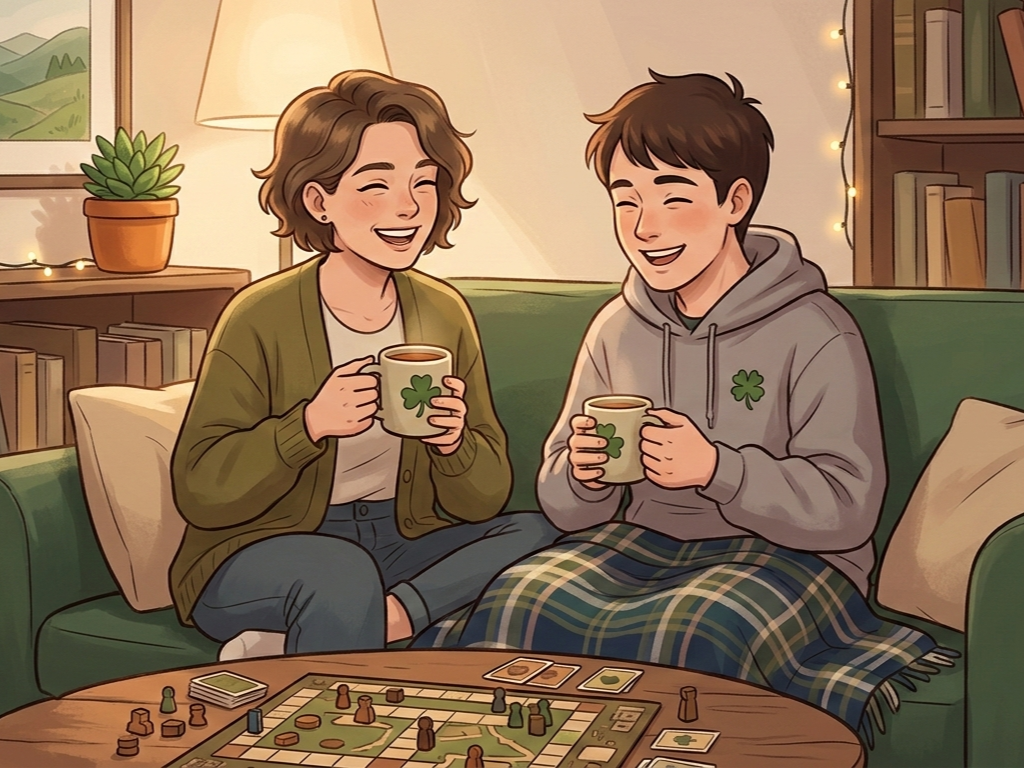
The middle of March always brings a big wave of green. For many people, St. Patrick’s Day means crowded pubs, loud music, and heavy drinking. But what if that just doesn't feel good to you? Maybe you are sober, or maybe you are an autistic person who finds loud, crowded spaces overwhelming. Whatever your reason, it is completely okay to skip the pub.
However, looking at the importance of socializing and ways to celebrate St. Patrick’s day sober is still really valuable. We all need human connection. It just doesn't have to look like everyone else's version of a party.
Feeling left out on holidays that focus heavily on drinking is a very common struggle. But you can honor a cultural holiday in many different, beautiful ways. Let's explore how to enjoy the day, connect with your friends, and practice good self-care without any of the pressure. You deserve to celebrate in a way that feels safe and fun for you.
Key Takeaways:
You can celebrate cultural holidays in ways that fit your unique needs.
There are many fun, simple ways to enjoy a sober St. Patrick’s Day.
Supporting friends who choose not to drink helps build stronger connections.
Celebrating Your Way
What does it actually mean to celebrate a holiday on your own terms? It means recognizing that traditions can be flexible. Cultural holidays are meant to be a time of joy and community, not a time of stress. St. Patrick’s Day is rooted in history, but modern celebrations often focus entirely on alcohol.
Celebrating your way means taking the parts of the holiday that bring you joy—like spending time with people you care about—and leaving behind the parts that don't fit your life. You have the power to create new traditions that honor both the holiday and your own well-being.
Ways to Celebrate St. Patrick’s Day
Why do we even bother socializing on holidays? Humans are wired for connection. Sharing traditions helps us feel grounded and gives us a sense of belonging. But when a holiday is strongly linked to drinking, it can quickly create a barrier.
This is especially true if you are sober, or if you simply prefer calmer environments. For an autistic person, loud music, unpredictable crowds, and intense smells can lead to sensory overload. Sensory overload happens when your brain takes in more information from your senses than it can comfortably process. It is very normal to feel lonely or anxious when your needs don't match the mainstream culture.
Connecting with others on your own terms matters because it:
Fosters a true sense of belonging and acceptance.
Boosts your mood and supports your overall mental health.
Allows you to practice self-care while still having fun.
Celebrate Without the Pressure
You don't need a pint of beer to enjoy the day. Here are a few simple ways to celebrate while keeping your boundaries intact.
Host a Quiet Theme Night
You don't need a loud bar to have a great time. Invite a few close friends over for a relaxed evening. You can bake Irish soda bread, watch a favorite movie set in Ireland, or simply play some board games. This allows you to control the environment, keeping it sensory-friendly and focused on real connection. A small, cozy gathering often creates the best and longest-lasting memories.
Get Outside in the Green
Nature offers a wonderful way to celebrate without any focus on alcohol. Plan a hike or a walk in a local park with your friends. Wearing green and enjoying the fresh air is a great way to mark the day. Spending time in nature is also wonderful self-care. Moving your body outdoors is a naturally uplifting way to celebrate.
Cook a Traditional Meal
Cooking can be a wonderful, grounding activity. Look up a simple recipe for Irish stew, potato soup, or colcannon. Cooking a meal with your friends or a partner allows you to bond over a shared, meaningful task without any pressure to drink. Learning something new together helps build strong, healthy relationships.
Supporting a Friend
If you are celebrating, you can also take simple steps to make sure your friends feel included and safe.
Provide Other Options
If you are hosting a gathering, make sure there are plenty of appealing, non-alcoholic drinks available. Offer sparkling water with lime, fun mocktails, or a warm pot of tea. Please don't make plain water the only alternative to beer. Offering thoughtful drink choices shows your friends that you care about their comfort.
Respect Their "No"
If a friend declines a drink or decides to leave a party early, let them go without making a fuss. Don't ask questions about why they aren't drinking. Just tell them you are so glad they came and that you hope to see them soon. Validating someone's boundaries is the best way to support their mental health.
St. Patrick’s Day doesn't have to be a stressful or overwhelming event. By looking at the importance of socializing and ways to celebrate St. Patrick’s day sober, you can easily find a path that works for you. Remember that your needs are entirely valid. Whether you are an autistic person needing a quiet space, someone choosing a sober lifestyle, or just someone who loves a quiet night in, you can still enjoy the holiday. Spend time with your friends, focus on your self-care, and create traditions that actually make you smile. You never have to compromise who you are to feel a sense of belonging.
Ready to Learn More?
If you are looking for more support in setting boundaries, understanding your unique needs, or improving your relationships, we are here to help.
Visit our website at Caretta Counseling to learn more about our services.
Read more about our primary modalities, including ACT, CBT, and EMDR.
Schedule a free 15-minute consultation today to see how we can support your journey.
"This is for informational purposes only and is not a substitute f EMDR.or professional therapy. If you are experiencing a mental health crisis, contact your local crisis center or the National crisis hotline at 988."
References
American Psychological Association. (2023). The importance of social connection and healthy boundaries. National Institute of Mental Health. (2022). Caring for your mental health.
Dr. James Kuhn (He/Him) is a Doctor of Psychology (2025) who specializes in trauma, anxiety, and depression, with a focus on LGBTQIA+ and neurodivergent communities.
Drawing on DBT, CBT, and a creative, person-centered approach (think Dungeons & Dragons character creation),
he helps adults uncover the tools they already have to become the version of themselves that feels right.
